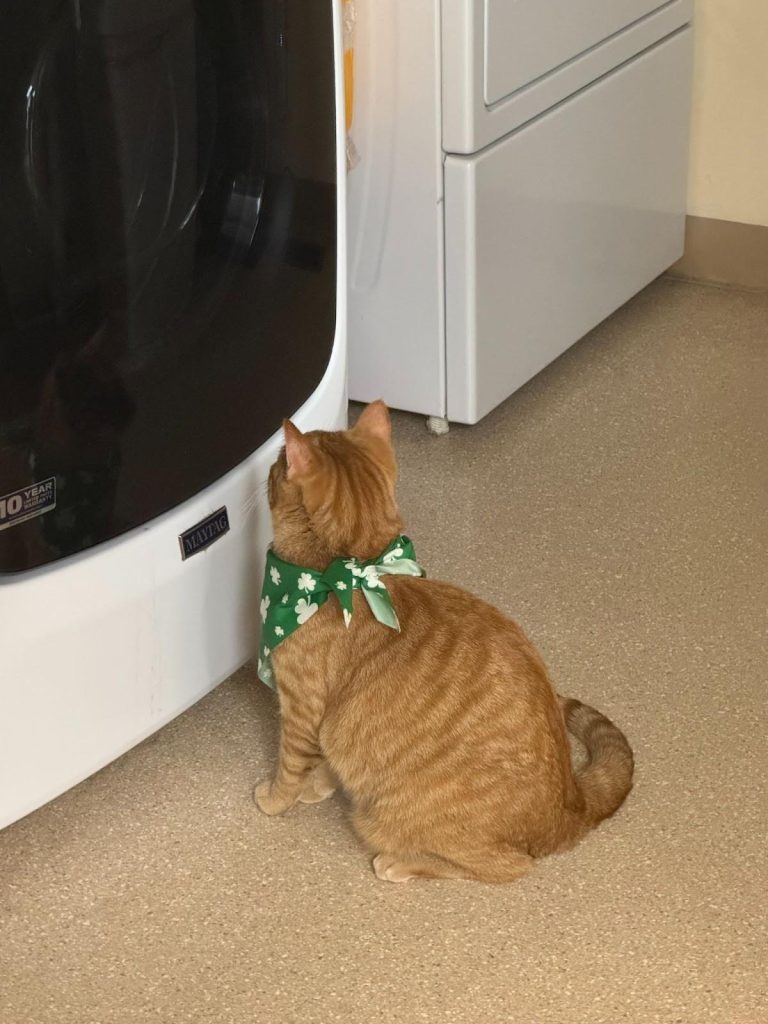
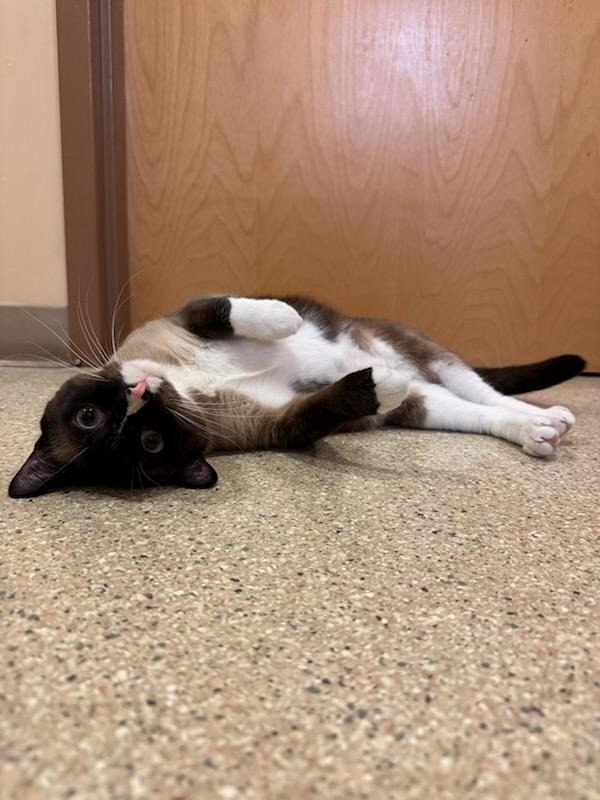
Welcome back to our little corner of the internet, where our clinic’s resident feline storytellers, Roman and Miles, meow about all things pet care. This month, these two whiskered wonders want to share some wisdom about something every pet parent dreads—those pesky parasites: fleas and ticks.
Whether your furry friend enjoys a casual stroll through the backyard or loves to prowl the neighborhood, fleas and ticks are no joke. They don’t just cause itchy discomfort; they can carry serious diseases, making prevention a top priority for your pet’s health—and peace of mind.
Why Flea and Tick Prevention Matters
Roman, the slightly more serious older brother, often grooms himself to perfection and takes no chances with anything that might interrupt his royal fluffiness. He says, “Fleas are like that unwanted guest who just won’t leave—and don’t get me started on ticks. Creepy little vampires!” Miles, ever the playful mischief-maker, adds, “I don’t want to end up scratching all day. Preventing them means more time for naps and belly rubs!”
Beyond the endless itching and scratching, fleas can transmit tapeworms and cause allergic reactions, while ticks are infamous for carrying Lyme disease and other infections. These critters can affect both indoor and outdoor pets, so it’s vital to stay vigilant year-round. Your vet likely recommends a monthly preventative treatment—simple, safe, and super effective.
Tips from Our Cats: Staying One Step Ahead
- Consistent Treatment: Use vet-approved flea and tick preventatives regularly. Skipping a month opens the door to an infestation. Be sure to ask one of our human staff members about our All-in-One prevention options.
- Check Your Pets Often: After outdoor adventures, comb through your pet’s fur, especially around the ears, neck, and underbelly—prime hiding spots for these tiny invaders.
- Maintain Your Yard: Keeping grass trimmed and removing leaf litter helps reduce outdoor parasite populations.
- Clean Living Spaces: Vacuuming carpets and washing pet bedding can keep early infestations at bay.
Roman and Miles also remind us that no method is foolproof. Close communication with your vet is key to creating a prevention plan tailored to your pet’s lifestyle, region, and needs.
Looking Ahead: Next Month’s Microchipping Spotlight
Before we sign off, our clinic cats want to tease next month’s topic—a very important one: the power of microchipping your pet. Roman insists, “It’s not just about looking cute; it’s about safety and being found if you ever get lost.” Miles nods with a mischievous glint.
We’ll dive into why microchipping is the ultimate way to protect your companions, along with some fun facts from your favorite furry ambassadors.
Thanks for stopping by to hear from Roman and Miles—and from all of us at the clinic. Until next time, keep those tails wagging and whiskers twitching, and don’t forget the flea and tick checks!