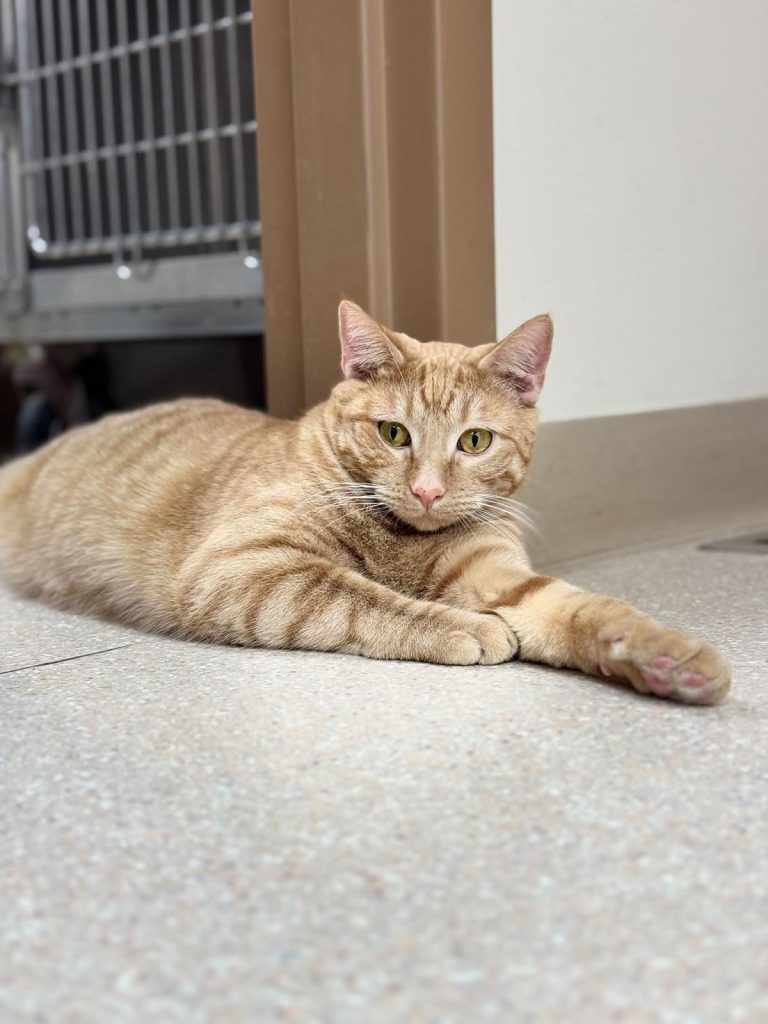
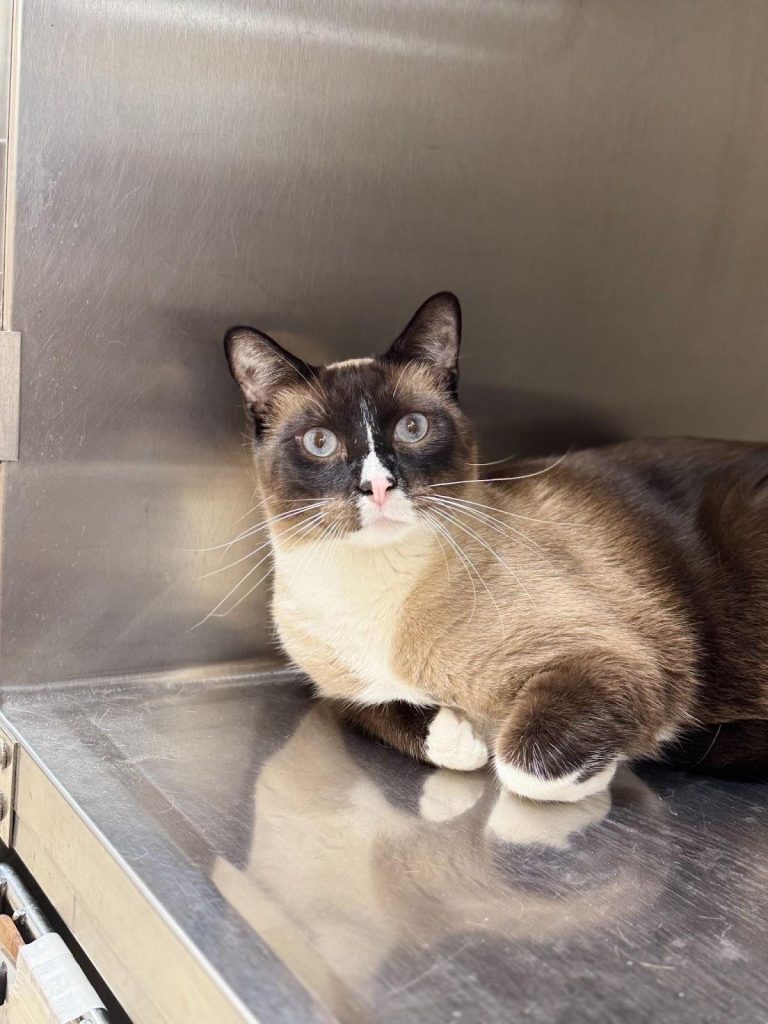
Hello there! Roman here, with my brother Miles, dropping by from the clinic’s cozy corners to chat about something really important for all our furry friends—and that’s heartworm prevention. Now, I know what you’re thinking: “Cats talking about heartworms? That’s different! ” Well, we might be a little whiskered, but when it comes to keeping pets healthy, we’re all ears (and paws!).
This month, we’re diving into why every pet parent—dog or cat—needs to be heartworm aware. Stick with us, and we promise it won’t be all doom and gloom. We’ll share some useful tidbits, plus why it’s easier to prevent this pesky parasite than to treat it later.
What Exactly Is Heartworm? (And Why Should You Care?)
Miles here! Heartworm is a sneaky parasite spread by mosquitoes. When a mosquito bites your pet, it can pass along microscopic larvae that mature over months inside the heart and lungs, causing serious, potentially fatal damage. It sounds scary because it is—heartworm disease can lead to coughing, fatigue, and even heart failure if left untreated.
While dogs are the most common victims, cats aren’t immune. In fact, heartworm disease in cats can be even trickier to detect early, and there is no treatment option. That’s why prevention is the absolute best defense.
Prevention: The Hero of the Story
Roman here again! The great news? Preventing heartworm is pretty straightforward and can save your pet from a lot of distress down the line. Monthly preventives—whether pills, topical treatments, or injections—are highly effective at stopping heartworm larvae before they mature and cause harm.
Our clinic vets recommend year-round prevention, especially if you live in an area with mosquitoes (which is most places, really). It’s a small step that makes a big difference. And trust us, we cats are all about making life easier while staying safe!
A Few Tips from Us Clinic Cats
- Keep an eye on mosquito exposure: Limit your pet’s time outside at dawn and dusk when mosquitos are most active.
- Stick to the schedule: Don’t miss doses of heartworm preventives—it’s usually a monthly routine or we also offer injectable options for our dog friends.
- Regular check-ups: Annual vet visits not only confirm your pet’s heartworm status but also keep other health concerns in check. Be sure to ask one of our human staff members about our All-in-One prevention options.
- Stay informed: If your vet recommends tests or new preventive options, it’s worth discussing because prevention tech keeps evolving.
Mixing these tips into your everyday pet care helps keep tails wagging and purring engines running smoothly!
Parting Paws and Whiskers
Thanks for hanging out with us, and while Roman and I are pretty chill cats, heartworm is one topic we take seriously. The bottom line? Prevention is kindness in action, a simple act that keeps pets safe and happy.
Stay tuned for next month when we’ll share some insider information on the importance of flea and tick prevention.
Until then, take care of your furry companions and each other. We’re all in this together—one paw, one heart, one happy pet at a time.