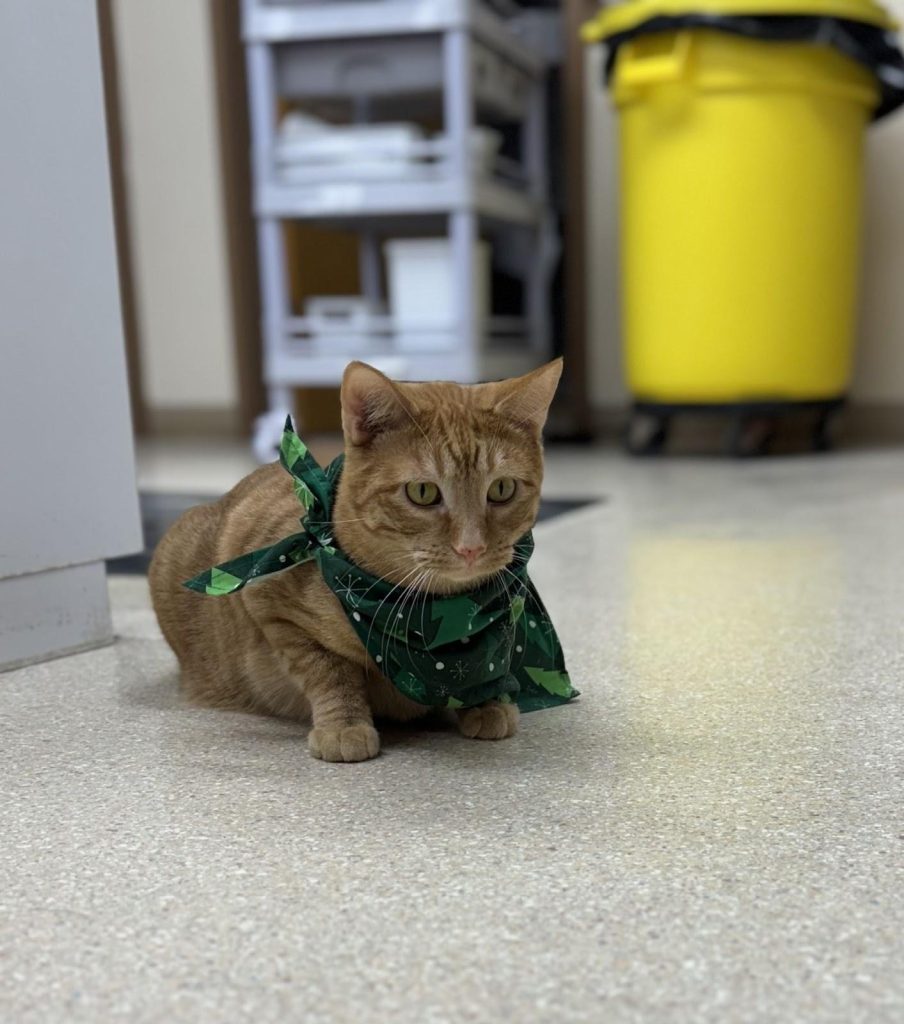
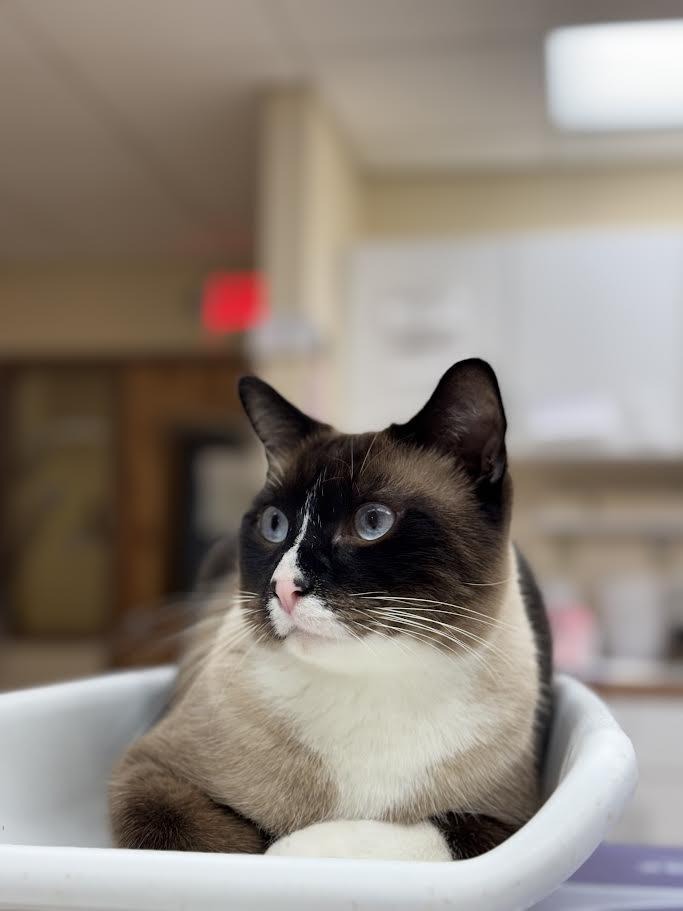
Welcome back, fellow pet lovers! This month, we’re diving into a topic that’s as important as it is sometimes puzzling: pet vaccines. But instead of the usual dry rundown, we’re hearing it straight from the experts—Roman and Miles, our clinic’s charismatic and ever-curious feline duo. They’ve prowled around the vet’s office long enough to share the basics (and a few insider tips) on why vaccines matter, when your furry friend needs them, and how to keep those visits smooth and stress-free.
Meet Roman and Miles: Your Vaccine Guides
Roman, the statesman with a serious stare, takes health very seriously. Miles, his playful sidekick, often questions everything but knows when the vet’s word is gold. Together, they’ve seen countless pets come and go, all protected (or not) by vaccines they’ve witnessed firsthand. Here’s what these whiskered witnesses have to say.
Why Vaccines Are a Must
Roman’s take is simple: vaccines are your pet’s frontline defense. “Imagine a tiny armor suit, tailored just for them,” he purrs. Vaccines help stimulate your pet’s immune system to recognize and fight off nasty illnesses like rabies, distemper, parvovirus, and more. Without these shots, the risk of serious, sometimes fatal diseases spikes dramatically.
Miles adds with a smirk, “I’ve seen pets miss vaccines and then get sick—it’s no fun at all.” The truth is, vaccines don’t just keep your pet safe; they help protect the broader community by preventing the spread of contagious diseases to other animals.
When Should Your Pet Get Vaccinated?
Roman, ever the planner, explains that timing is key. Puppies and kittens usually start their vaccine schedule around 6-8 weeks old, with boosters every 3 to 4 weeks until about 16 weeks. Adult pets still need shots too—“Think of it like a yearly tune-up,” Roman says. Your vet will advise on which vaccines are essential based on your pet’s lifestyle, age, and risks. Boarding, travel, or exposure to other animals might mean extra shots. Some core vaccines are available for 3 year protection.
What About Side Effects?
Miles confides, “Sometimes, the doctor’s poke stings or makes you sleepy for a day, but that’s about it.” Mild side effects like tiredness, slight fever, or soreness are typical and short-lived. Serious reactions are rare but worth keeping an eye on. If your pet shows swelling, difficulty breathing, or unusual behavior soon after vaccination, contact your vet immediately.
Making Vaccine Visits Easier for Everyone
Roman recommends a few tricks: bring your pet’s favorite treats, keep calm (they can smell anxiety), and ask your vet questions—there’s no such thing as a silly one. Miles adds, “Relax, and maybe sneak in a nap somewhere comfy afterward.” These little moments can turn a stressful trip into a routine checkup your pet doesn’t dread.
Final Thoughts from Our Clinic Cats
Vaccines might sound routine, but they’re a powerful gift you can give your pet—a ticket to a longer, healthier life full of cuddles, play, and adventure. Roman and Miles agree: staying on top of vaccines is a small effort with big payoffs for everybody’s peace of mind.
Next month, we’ll explore something equally crucial: Thanksgiving food awareness for your pets. What’s safe for sharing (if anything!) and where to draw the line during those tempting feast-filled holidays. Stay tuned!
Thanks for joining us today. Here’s to happy, healthy pets and plenty of purrs and tail wags ahead!